


-

Add: HeBei ShengShi HongBang Cellulose Technology CO.,LTD.
-

Email
13180486930@163.com -

CONTACT US
+86 13180486930





Methylcellulose An Essential Excipient in Pharmaceutical Innovations In the realm of pharmaceutical science, the importance of excipients can't be overstated. Methylcellulose, a cellulose derivative, stands as a pivotal player in the formulation of various medications, offering unique properties that enhance drug delivery and efficacy. This article explores the multifaceted applications of methylcellulose in pharmaceuticals, underpinned by a deep dive into its characteristics and contributions to modern medicine. Methylcellulose is renowned for its exceptional ability to act as a binder, emulsifier, and controlled-release agent. This versatility stems from its unique chemical structure, which combines cellulose with methyl ethers. This modification endows methylcellulose with hydrophilic and viscoelastic properties, making it invaluable in tablet formation. In experience-driven product development, many formulation scientists have attested to its efficient binding capabilities that ensure tablets are robust and cohesive, yet break down efficiently in the digestive system for optimal drug absorption. Its emulsifying properties are equally significant. Methylcellulose acts as a stabilizer for emulsions, crucial for the production of topical ointments and creams where active pharmaceutical ingredients (APIs) are dispersed in a carrier substance. Expertise in formulation confirms that methylcellulose contributes to the uniform distribution of APIs, enhancing the product's overall therapeutic efficacy. This makes it an indispensable component in dermatological applications, exuding trust through consistent performance and patient outcomes. Controlled-release formulations are the frontier of patient-centric drug delivery systems. Methylcellulose functions as a matrix former in these formulations, providing sustained release of active ingredients over prolonged periods. This minimizes dosing frequency and enhances patient compliance—a testimony to its authoritativeness in pharmaceutical research and development. Numerous clinical studies validate its effectiveness in achieving steady plasma concentration levels of medications, thereby optimizing therapeutic results and reducing side effects. methylcellulose used in pharmaceuticals Notably, the trustworthiness of methylcellulose in pharmaceuticals is anchored on its safety profile . It is an inert compound, not absorbed systemically, reducing the risk of adverse effects. This inertness, coupled with its biodegradability, makes methylcellulose an eco-friendly choice for pharmaceutical industries committed to sustainable practices. Regulatory agencies, including the FDA, have extensively reviewed and approved its use across various drug formulations, further cementing its status as a reliable excipient. Furthermore, patient experience with methylcellulose-based products is overwhelmingly positive. Anecdotal evidence and patient testimonials highlight improved compliance due to the ease of administration and the enhanced stability of formulations. This feedback, gathered over years of clinical use, continuously informs improvements in product design and delivery methods, reinforcing methylcellulose's place in pharmaceutical innovation. As the pharmaceutical landscape evolves, the demand for novel delivery systems and patient-friendly formulations grows. Methylcellulose, with its diverse applications and proven benefits, remains at the forefront of this evolution. It epitomizes the intersection of scientific innovation and practical application, underscoring the importance of excipients in the advancement of healthcare solutions. By integrating methylcellulose with technological advancements, pharmaceutical companies not only enhance the quality and efficacy of their products but also fortify their reputation in the industry. Thus, methylcellulose is not merely an excipient; it is a cornerstone of pharmaceutical excellence, instrumental in shaping the future of medicine.
- 40000tons

Production
- 20+years

Experience
- 5000+㎡

Acreage

-

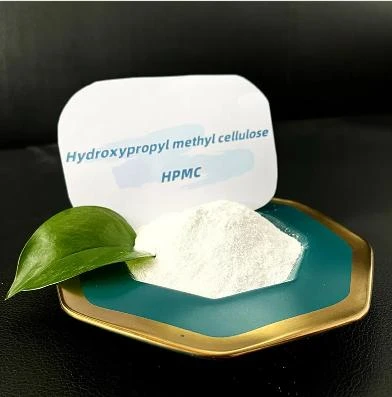
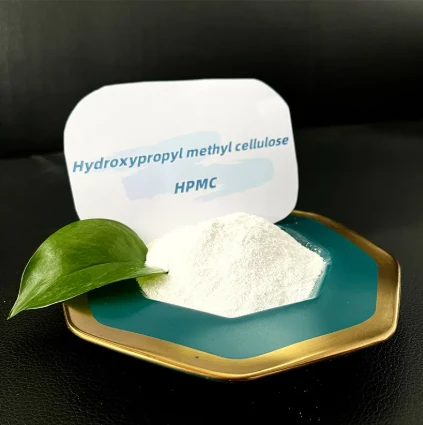
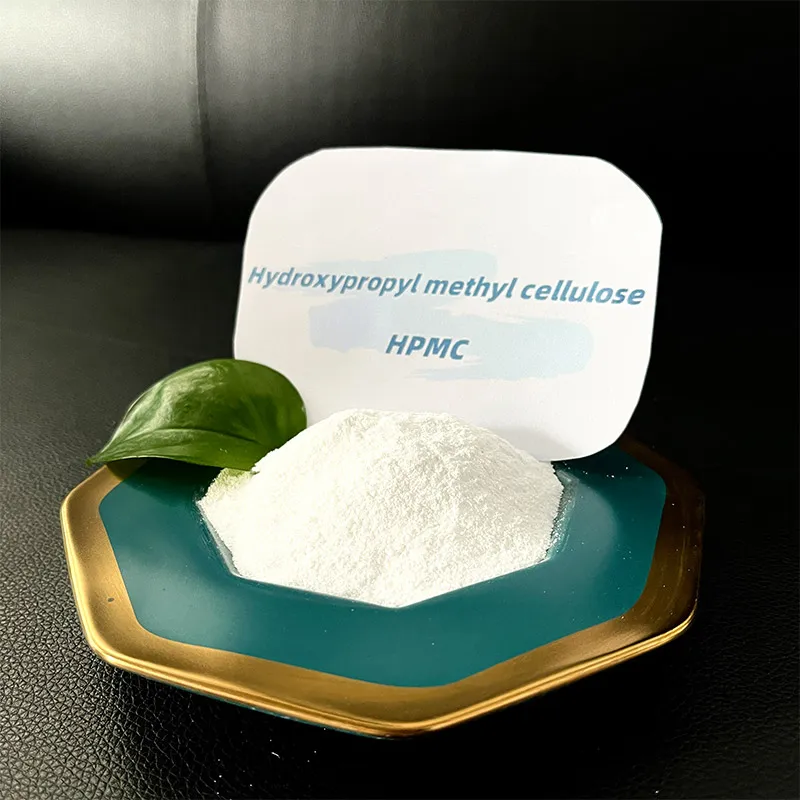
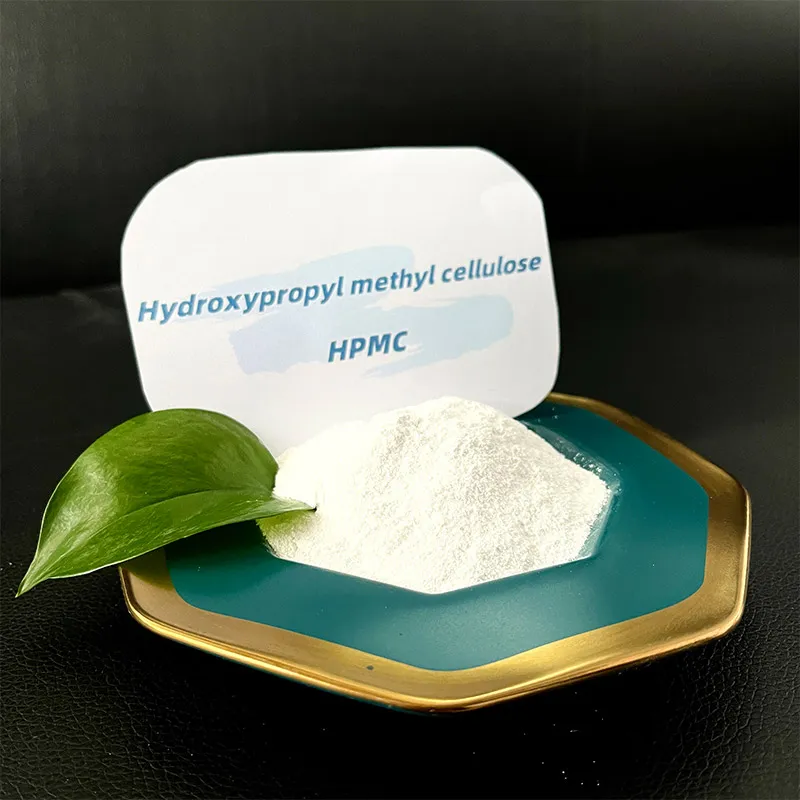
Hydroxypropyl methylcellulose (HPMC) is a versatile product that has gained tremendous attention across various industries due to its unique properties. Derived from cellulose, the most abundant biopolymer on Earth, HPMC has carved a niche for itself, particularly in the construction, pharmaceutical, and food industries. One of the critical factors propelling HPMC's widespread application is its exceptional viscosity and water retention characteristics. In the construction industry, for instance, HPMC is revered for its role in enhancing the workability and performance of cement and gypsum-based products. It acts as a water retention agent and stabilizer, improving adhesion and extending open time, which is crucial for construction applications in diverse environmental conditions. Experts often highlight that the quality of mortar is significantly uplifted with the correct dosage of HPMC, delivering better results without the need for constant adjustments or retries. Moving into the pharmaceutical realm, HPMC emerges as an invaluable excipient, instrumental in the formulation of oral and topical pharmaceuticals. Its non-ionic and inert nature makes it an excellent candidate for controlled release formulations. Medical experts value HPMC for its ability to act as a film-forming agent and as a binder in tablets, directly impacting the efficacy and safety of the medication. The controlled release properties ensure that the therapeutic effects are sustained over an extended period, thereby enhancing the patient experience and compliance. In the food industry, HPMC's utility cannot be overstated. It serves as a vegetarian alternative to gelatin, finding its place in a myriad of food products such as desserts, confectionery, and even low-fat food formulations. Nutritionists and food scientists recognize its role in improving texture and stability while being safe for consumption. The ability of HPMC to form reversible gels upon heating is particularly prized, ensuring that food products maintain their desired quality throughout their shelf life. hpmc hydroxypropyl methyl cellulose The trustworthiness of HPMC stems from its well-documented safety profile and regulatory approvals from bodies such as the FDA and EFSA. This authoritative endorsement across various applications reassures users of its reliability and multifaceted utility. By adhering to rigorous quality standards, manufacturers ensure that HPMC not only meets but often exceeds industry expectations. For businesses considering the incorporation of HPMC into their products, partnering with reputable suppliers who offer technical support and consistency in quality is critical. Experienced suppliers will provide the necessary expertise to tailor HPMC grades to meet specific application needs, ensuring optimal results and satisfaction. In summary, the adaptability and functional benefits of Hydroxypropyl methylcellulose make it an indispensable asset in multiple verticals . As industries continue to evolve, the demand for sustainable and efficient solutions like HPMC is likely to escalate. For businesses and professionals seeking to leverage its potential, understanding its multifaceted applications and sourcing it from credible suppliers will be key to unlocking new levels of innovation and efficiency.
-

The evolution of modern construction materials has positioned starch ether as an indispensable component in high-performance mortar systems. As bulk manufacturers prioritize sustainable and efficient solutions, specialized modified starch types – particularly hydroxyethyl starch – deliver exceptional water management, enhanced workability, and environmental advantages. This article examines how industrial-scale integration of starch ether for construction transforms production economics while meeting rigorous performance standards across global markets. Fundamental Properties of Modified Starch in Mortar S tarch Starch ether for construction fundamentally alters mortar behavior through sophisticated molecular interactions. Unlike conventional additives, hydroxyethyl starch establishes hydrogen bonding networks that dramatically improve water retention capabilities – essential for complete cement hydration in demanding applications. The modified starch creates colloidal protective films that effectively regulate moisture migration without interfering with setting mechanisms. This unique characteristic ensures consistent performance across diverse cement chemistries and environmental conditions. The inherent thermal stability of specialized modified starch types maintains critical viscosity parameters even in high-temperature production environments. Bulk formulators leverage these properties to develop optimized systems where starch ether demonstrates superior adhesion in lightweight plasters. The molecular interaction between hydroxyethyl starch and inorganic fillers prevents delamination issues while providing exceptional sag resistance in vertical applications. Strategic Sourcing of Industrial-Grade Starch Ether Securing consistent starch ether for construction requires establishing technical partnerships with specialized producers. Industrial buyers prioritize botanical traceability – whether corn, potato, or tapioca-derived – to ensure predictable modification outcomes and performance consistency. Leading suppliers offer tailored etherification parameters that address regional climatic challenges, providing modified starch types engineered for specific humidity and temperature profiles. Comprehensive third-party certifications covering substitution characteristics guarantee material consistency across production batches. Progressive suppliers accommodate container-scale quantities of hydroxyethyl starch with specialized moisture-resistant packaging – critical for maintaining performance integrity in tropical distribution chains. Consolidated procurement of the modified starch across multiple product categories enables significant economies of scale while simplifying quality assurance protocols. Technical validation documents demonstrating starch ether for construction performance in sustainable formulations further assist bulk buyers in navigating evolving regulatory landscapes across international markets. Cross-Application Performance Synergies of Starch Ether Starch ether creates powerful formulation bridges across diverse construction material categories. Hydroxyethyl starch originally developed for tile adhesive applications demonstrates remarkable cohesion enhancement in self-leveling underlayments. Specialized modified starch types engineered for exterior render formulations significantly improve workability characteristics in spray-applied mortars. When incorporated into repair compounds, starch ether for construction effectively reduces material rebound during machine application processes. Bulk manufacturers achieve substantial raw material optimization by standardizing the modified starch across their entire product portfolio. Documented implementations reveal how hydroxyethyl starch successfully replaces synthetic additives in specific formulations while maintaining structural integrity – particularly advantageous in markets prioritizing cost efficiency without performance compromise. Economic Transformation Through Starch E ther Integration Strategic implementation of starch ether for construction delivers transformative production economics. Modified starch types present significant cost advantages compared to alternative additives with similar functional profiles. The exceptional water management capabilities of hydroxyethyl starch enable formulation water reduction, generating substantial savings in raw material transportation. Simplified dispersion characteristics of starch ether significantly decrease energy consumption during industrial mixing operations. Bulk procurement specialists negotiate advantageous pricing structures for large-scale the modified starch acquisitions, with progressive suppliers offering application-specific modified starch types that reduce required dosage rates while maintaining performance benchmarks. The inherent biodegradability profile of hydroxyethyl starch additionally reduces environmental compliance burdens and waste management costs. FAQs: Industrial Application of Starch Ether How does starch ether enhance mortar workability compared to alternatives? Starch ether develops distinctive rheological properties that deliver superior troweling characteristics while maintaining essential anti-sag performance, making hydroxyethyl starch particularly valuable for vertical applications. What procurement scales are available for industrial starch ether? Standard modified starch types typically feature container-scale procurement options, with flexible customization possibilities for specialized starch ether for construction variants. Can hydroxyethyl starch substitute traditional additives in tile applications? Hydroxyethyl starch demonstrates comparable water retention performance at significant substitution levels in starch ether -modified thin-set mortars, with enhanced open time in challenging climates. How does the modified starch influence mortar curing dynamics? Properly engineered the modified starch extends critical working windows without delaying final set characteristics, as advanced modification processes prevent sugar interference with hydration chemistry. Which certifications ensure starch ether performance consistency? Internationally recognized testing protocols for substitution characteristics, purity parameters, and viscosity stability guarantee starch ether for construction performance integrity across production batches.
advantages
-

200000 Viscosities
Excellent product
We can produce pure products up to 200,000 viscosities
-

40000 tons
High yield
We don’t stop production all year round, and the annual output can reach 40,000 tons
-

24 hours
Quality service
We provide 24-hours online reception service, welcome to consult at any time
———— Inquiry Form
Schedule A services
-
 hpmc_company
Oct . 25, 2025
In the ever-evolving construction sector, the choice of materials can significantly impact the quali -
 hpmc_juice
Oct . 25, 2025
The digital marketplace thrives on innovation, technological advancement, and the ability to solve r -
 hpmc_for_detergent
Oct . 25, 2025
Hydroxypropyl methylcellulose (HPMC), also known as hypromellose, is a versatile compound used in va


